What Are Polarized Lenses?
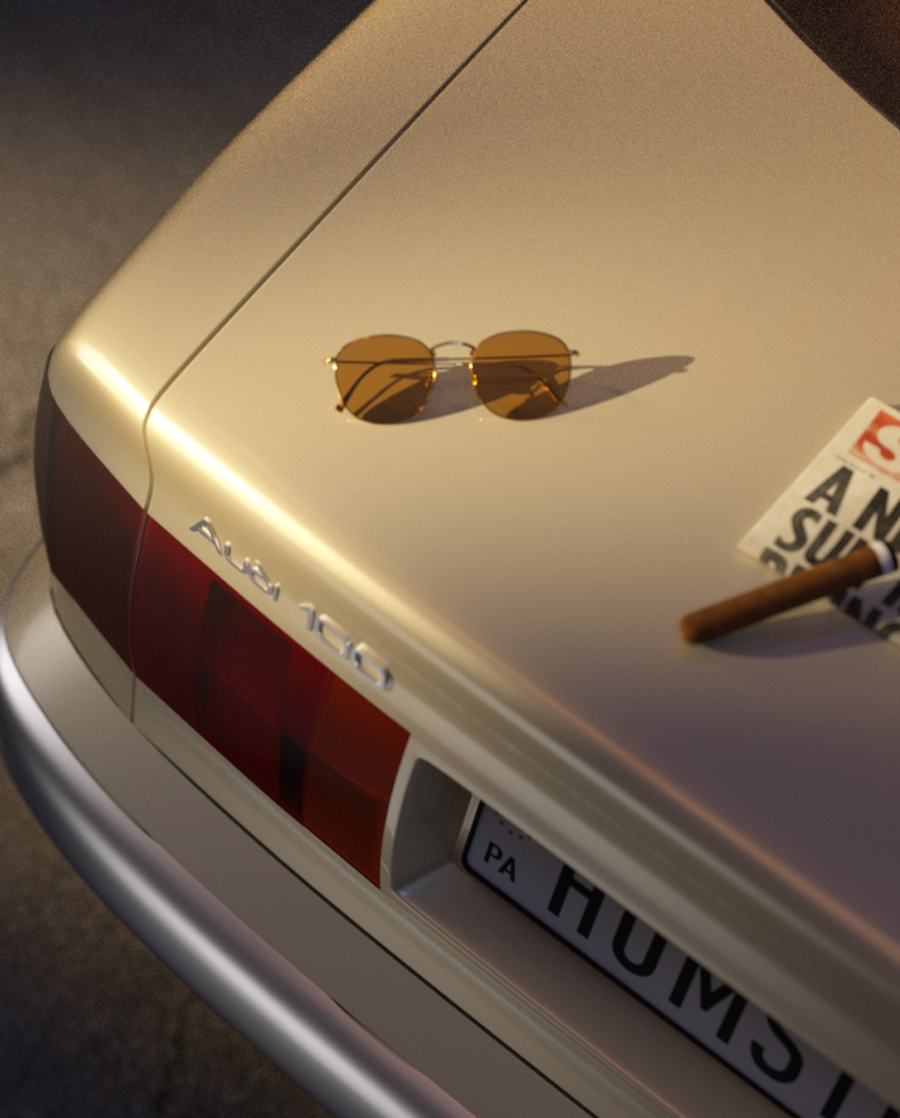
Polarized lenses are a type of lens designed to reduce glare. They contain a special filter that blocks intense reflected light—also known as horizontal polarized light—which bounces off surfaces like water, snow, and roads.
This glare can cause discomfort, reduce visibility, and lead to eye strain. Polarized lenses selectively filter out that harsh light, allowing only useful vertical light through, resulting in sharper vision and improved contrast.

Key Benefits of Polarized Lenses:
-
Glare Reduction:
Excellent for blocking reflection from surfaces like water, car hoods, or snow, making them ideal for driving, fishing, or skiing. -
Enhanced Contrast and Clarity:
By minimizing scattered light, objects appear more defined and easier to distinguish. -
UV Protection:
Most polarized lenses also offer full UV protection, helping shield your eyes from harmful ultraviolet rays.
What Are Tinted Lenses?
Tinted lenses are lenses with added color to reduce overall brightness and enhance color perception. Unlike polarized lenses, they don’t filter light directionally, but instead alter the tone, contrast, and brightness of the light entering your eyes.
Tinted lenses come in various colors, each offering different visual effects and advantages in specific settings.

Common Tint Colors and Their Uses:
-
Gray Tints:
Reduce brightness without distorting colors. Great for everyday use and bright conditions. -
Brown or Amber Tints:
Increase contrast and depth perception. Useful in low-light or variable weather conditions like overcast days. -
Green Tints:
Enhance reds and browns, making them ideal for outdoor activities where color contrast matters. -
Blue Tints:
Help reduce glare and eye fatigue in hazy or foggy environments. Often used for water sports or high-glare settings.
Polarized vs. Tinted Lenses: Key Differences
| Feature | Polarized Lenses | Tinted Lenses |
|---|---|---|
| Primary Function | Reduce glare by filtering horizontal light | Adjust brightness and color for comfort |
| Glare Reduction | Excellent (especially on water, snow, roads) | Limited |
| Color Perception | Maintains natural colors | Alters color perception depending on tint |
| Contrast Enhancement | Strong | Moderate to strong (depends on tint) |
| Best Use | Driving, water sports, fishing, skiing | Everyday wear, fashion, light sensitivity |
| UV Protection | Typically included | Varies depending on lens coating |
Which One Should You Choose?
Choose Polarized Lenses if you:
-
Spend a lot of time outdoors near reflective surfaces.
-
Drive frequently and want to reduce road glare.
-
Participate in water or snow sports and need better visibility and comfort.
Choose Tinted Lenses if you:
-
Want to enhance visual contrast or change color tone.
-
Need specific lens colors for activities like golf, cycling, or hiking.
-
Prefer stylish lenses that match your fashion and light sensitivity needs.
Final Thoughts
Both polarized and tinted lenses improve your outdoor visual experience, but they serve different purposes. Polarized lenses are unbeatable for reducing glare and enhancing clarity in bright, reflective conditions. Tinted lenses, on the other hand, offer flexibility, comfort, and a range of visual enhancements depending on the color you choose.
Whether you prioritize function or fashion—or both—understanding these differences will help you make the best choice for your eyes and lifestyle.