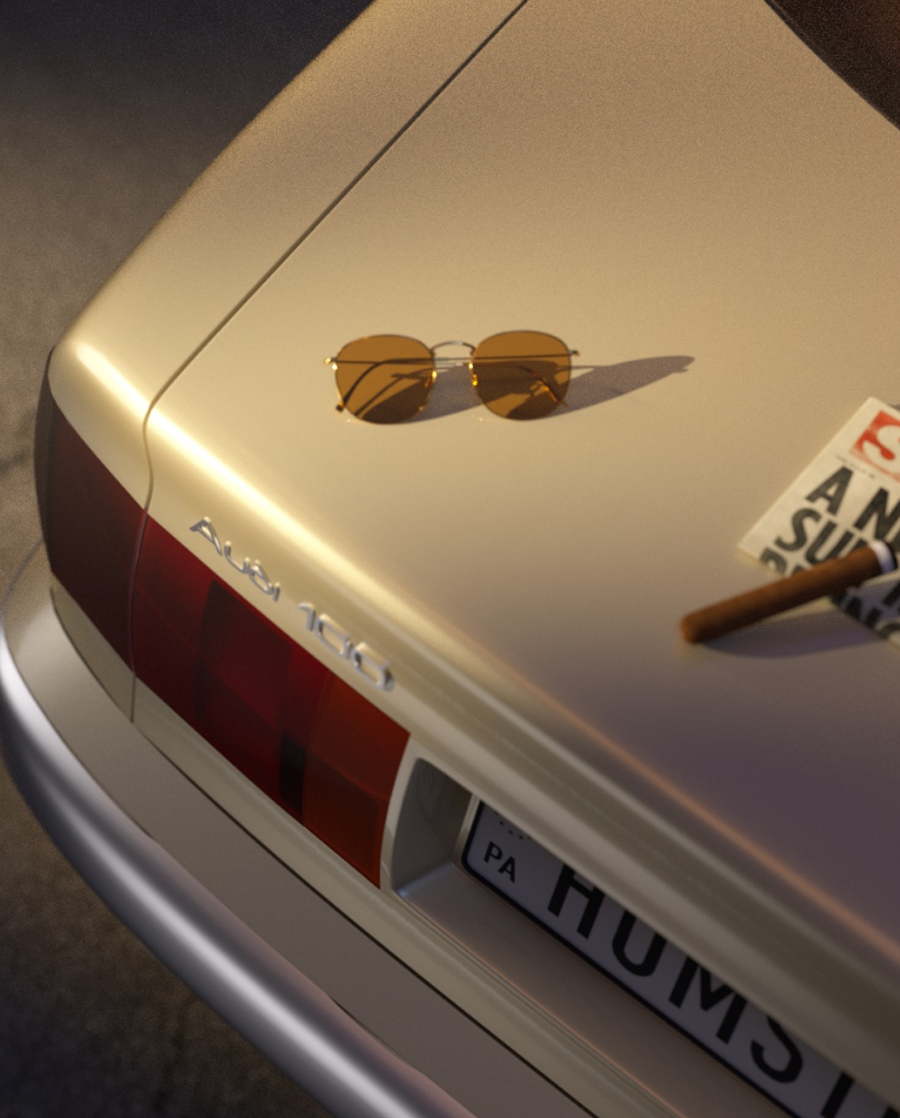
Brown grey gradient reader sunglasses solve a very specific problem: you want real sun glare control up top, but you still need the lower part of the lens to stay usable for a book, phone, menu, or tablet. That split personality is the point of brown grey gradient reader sunglasses—they are built for outdoor reading, not for replacing every sunglass task at once. If you need heavy glare protection for water, snow, or all-day driving brightness, a darker solid lens may be the better tool. If your day is more about patio reading, walking around town, or checking screens in bright sun, the gradient approach can feel much more natural.
Why the gradient matters outdoors
The useful part of a gradient sun lens is not just the look. The darker top zone helps cut the overhead light that usually causes squinting, while the lighter lower zone keeps the reading area from feeling cave-like. That matters when your eyes keep moving between the horizon, your hands, and the page.
A solid dark lens gives one uniform level of shading across the whole lens. A gradient lens gives you a working compromise. For men who read outdoors, that can be the difference between staying comfortable for twenty minutes and repeatedly taking the glasses off to see what is on the page.
Why brown and grey work well together
Brown-grey gradient lenses make sense because each tint does a slightly different job. Brown tones are often chosen when contrast matters, since they can make edges and shapes feel a little more defined in daylight. Grey tones are valued because they keep color balance more neutral, which is useful when you want the page, screen, or surroundings to look natural rather than overly warm.
That hybrid effect is why this lens style can feel more composed than a one-note tint. The upper brown zone adds visual punch where sun is strongest, while the lower grey-clear transition keeps the reading field calmer and less color-shifted. For many readers, that feels more practical than a fashion tint with no clear purpose.
Reading a phone in bright sun
Outdoor screen use is where gradient readers earn their keep. A phone or tablet often sits in the lower field of view, so a lighter bottom zone can help prevent the screen from going uncomfortably dark while the top still shields your eyes from overhead glare. That does not make the screen magically bright in direct sunlight, but it can make the viewing experience less frustrating.
This is also where buyers sometimes misunderstand the lens type. Gradient reading sunglasses for men are useful for glare management and near-task comfort, but they do not replace the magnification you actually need for reading. If the diopter is wrong, the page will still be blurry no matter how good the tint is.
A common mistake is buying a stylish gradient lens and expecting it to solve reading clarity on its own. Tint controls light; it does not correct focus.
UV400 should cover the whole lens
A real outdoor lens decision is not only about tint darkness. UV400 protection matters because you want protection across both the darker upper zone and the lighter lower zone. A gradient lens that looks correct but lacks proper UV protection is not a sensible choice for regular sun exposure.
That is why this category is better approached as optical gear, not as dyed plastic with a fashionable fade. If the lens is being worn outside, the protection standard should be part of the buying decision from the start. In practical terms, the transition should be about visibility and comfort, not a tradeoff that leaves the lighter part of the lens feeling like an afterthought.
Matching the frame to the lens
Brown-grey gradient lenses usually look strongest in frames that support the lens visually instead of fighting it. Tortoiseshell works well because it echoes the brown tone and keeps the look warm and masculine. Gunmetal is a cleaner option if you want the lens effect to stay the focus. Matte black gives the most straightforward contrast and can make the gradient look sharper and more modern.
Frame choice also changes how “present” the glasses feel on the face. A heavier frame can give the lens more structure, while a lighter frame can make the gradient effect feel subtler. For men who want outdoor readers that still look intentional at lunch, on a balcony, or on a casual work trip, that balance matters more than most product photos suggest.
When a solid tint is the better call
Not every outdoor reader should be gradient. If you spend long hours on water, snow, or intensely reflective terrain, a solid darker sunglass lens may be the more appropriate choice because gradient shading is not meant to replace a full dark tint in those conditions. The same is true if your main goal is maximum glare reduction rather than page visibility.
There is also a fit issue to respect. Standard single-vision reading glasses are made for near vision, so if you look out across the street or try to drive while wearing them, distance vision will be blurry by design. That is not a defect. It is simply how near-power readers work, which is why the use case matters so much before you choose a lens style.
Where ManlyKicks fits in
If you want this exact middle ground, ManlyKicks’ sunglasses and multi-lens options are the most relevant places to browse because they align with outdoor reading, casual screen use, and practical men’s eyewear styling. The sunglasses collection is the natural place to compare gradient and darker sun options, while the multi lens options are worth checking if you want more than a simple one-size-fits-all reader setup.
For a lot of buyers, the decision comes down to whether the day is mostly open-air reading or mostly full-sun activity. If it is the first, brown grey gradient reader sunglasses make a lot of sense. If it is the second, you may want a different sunglass setup altogether.