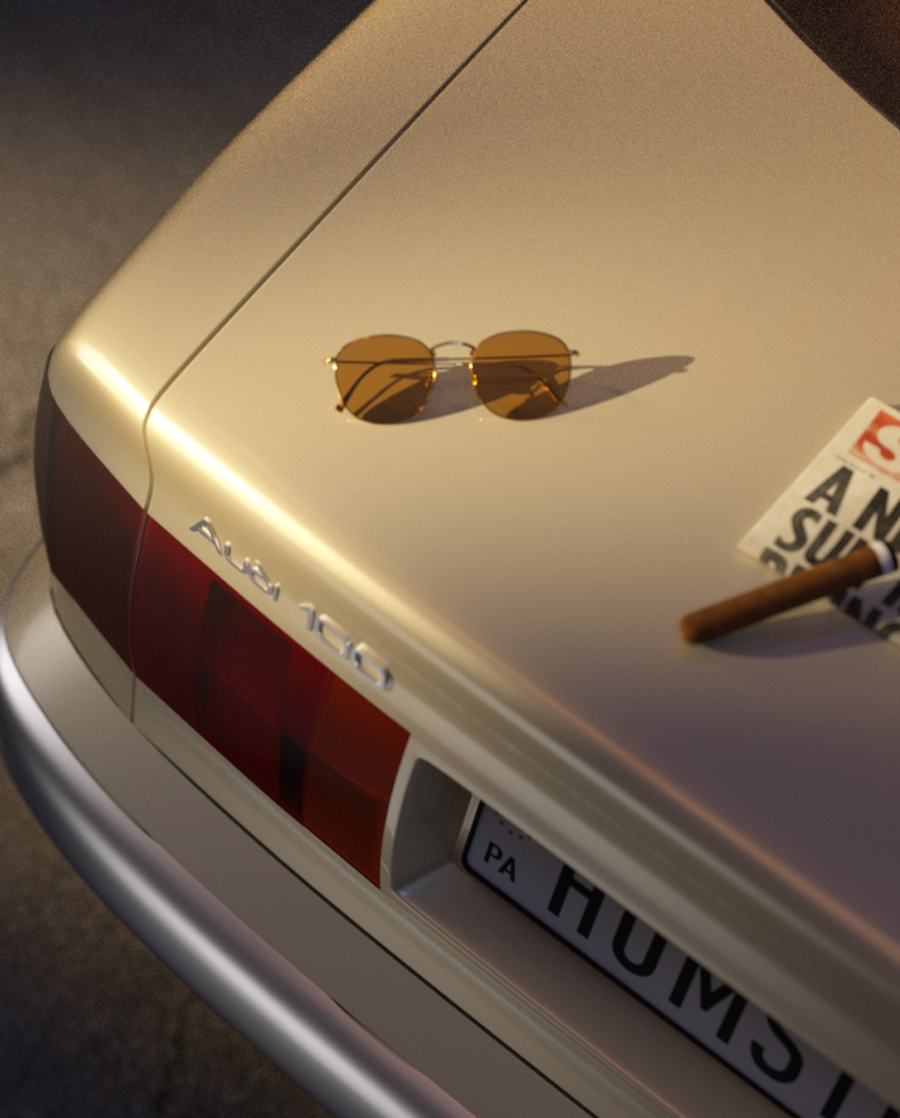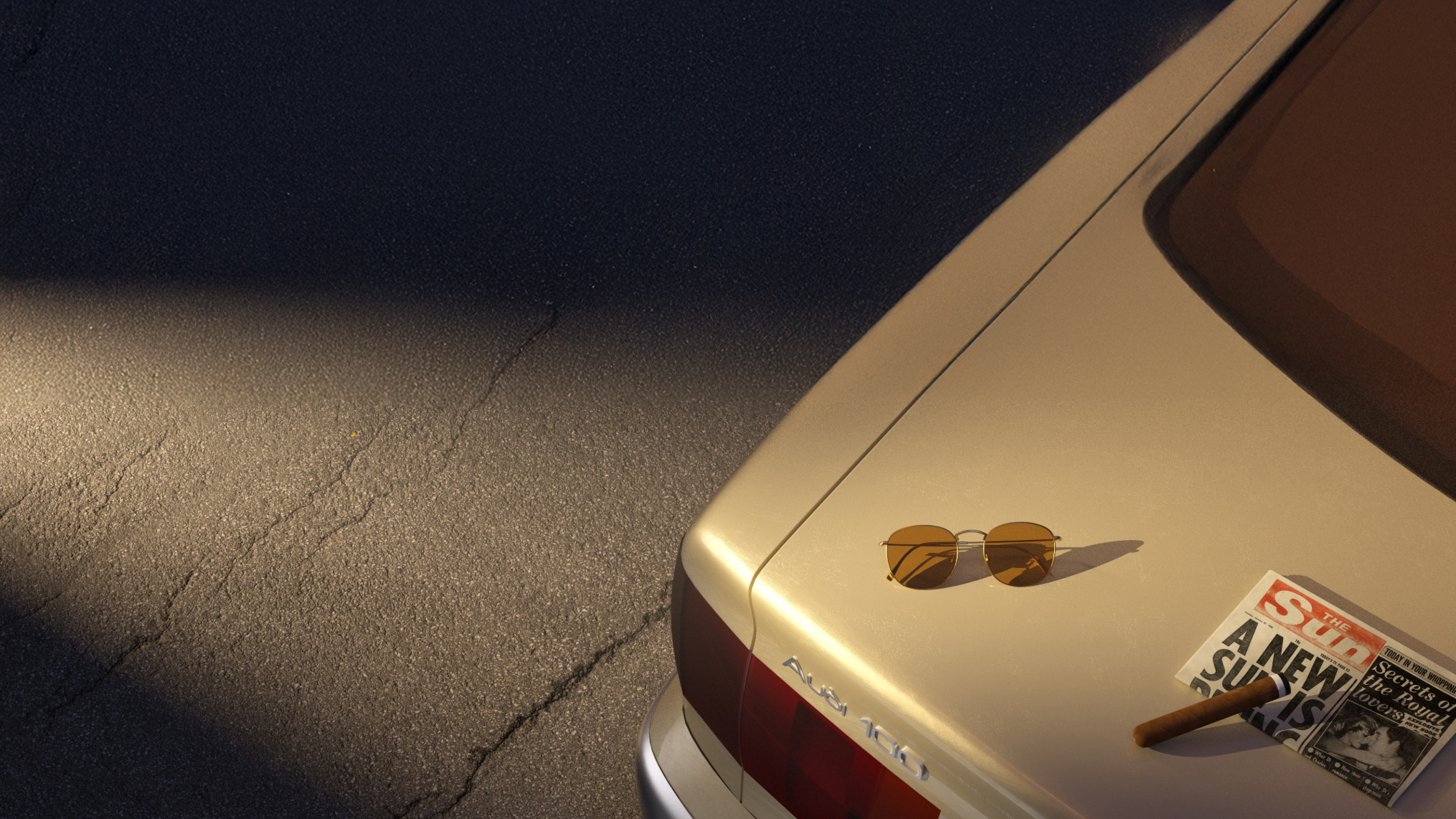
Driving at night feels different when oncoming high beams turn the windshield into a blinding wall of light. The best glasses for night driving use specialized yellow-tinted lenses with anti-reflective coatings to cut scattered glare, boost contrast in low light, and make lane markers and road signs stand out clearly. While no eyewear can completely eliminate bright headlights, the right pair can significantly reduce eye strain and help you react faster to hazards during long nighttime trips .
Many men buy "night vision" glasses expecting magic clarity, only to find them too dark or ineffective. The real solution lies in understanding how specific optical filters work—and which features actually help versus which are just marketing.
How Anti-Glare Night Driving Lenses Actually Work
Night driving glasses rely on two core optical principles: selective light filtering and anti-reflective (AR) coating.
Yellow or amber-tinted lenses block a portion of blue light, which scatters most easily in the human eye and contributes heavily to glare from headlights and streetlights. By filtering out these shorter wavelengths, the lenses increase contrast between dark roads and lighter objects like lane dividers, pedestrians, or wildlife .
Anti-reflective coating works on the back surface of the lens to prevent light from bouncing off inside the eyewear. Without AR coating, light reflecting off the inner lens surface can create ghost images or halo effects around bright lights—especially noticeable when reading the dashboard or seeing headlights from behind.
Important note: Polarized sunglasses, while excellent for daytime glare from wet roads or snow, should not be used at night. They can make LCD dashboards, GPS screens, and traffic light indicators appear dark or invisible.
Why Night Driving Becomes Dangerous Without Proper Eyewear
The main danger isn't just discomfort—it's delayed reaction time. When glare hits your eyes, your pupils constrict sharply, reducing overall light intake. This makes it harder to see dim objects in your peripheral vision, like a cyclist crossing the road or an animal stepping onto the highway.
Common nighttime driving visual problems include:
-
Halos and starbursts around headlights, especially for people with uncorrected astigmatism
-
Dashboard reflections bouncing off the windshield, creating blurry overlays on the road
-
Reduced depth perception due to poor contrast between objects and the road surface
-
Visual fatigue after 1–2 hours of night driving, leading to slower decision-making
Men who drive frequently at night for work (delivery, rideshare, sales) or long commutes often report that their eyes feel "tired" or "burning" after dark trips. This isn't just fatigue—it's a sign that your visual system is struggling against excessive scattered light.
Who Benefits Most from Night Driving Glasses
These glasses aren't for everyone, but they help specific groups significantly:
Best for:
-
Drivers over 40, when pupil size naturally shrinks and less light reaches the retina
-
People with mild astigmatism who see starburst patterns around lights
-
Long-haul drivers, Uber/Lyft drivers, or anyone doing 2+ hours of night driving regularly
-
Those who already wear prescription glasses and need an overlay solution
Less helpful for:
-
Drivers who rarely travel after dark
-
People with severe uncorrected vision problems (you still need a proper eye exam)
-
Anyone expecting to see "in the dark" like night-vision goggles (these don't work that way)
If you're over 50 and notice your night vision has declined noticeably compared to your 30s, that's normal aging—but quality night-driving lenses can still provide meaningful improvement.
What Can Go Wrong: Expectations vs. Reality
This is where many buyers get disappointed. Here's what actually happens when night driving glasses don't meet expectations:
Too dark for the conditions: Some yellow-tinted lenses are so dark they reduce overall visibility in already dim environments. The ideal night driving lens is light yellow, not deep amber or orange.
Ignoring prescription needs: Over-the-counter "readers" with magnification won't help if your main issue is distance vision. If you need glasses to see the road clearly in the first place, non-prescriptive night glasses won't fix that.
Assuming they eliminate all glare: No lens can 100% block bright LED or HID headlights. The goal is reduction, not elimination. If oncoming drivers are flashing high beams directly at you, even the best glasses will struggle.
Wrong coating placement: Cheap versions only coat the front of the lens. Back-surface AR coating is critical for stopping dashboard reflections.
Misusing polarized lenses at night: As mentioned earlier, polarization makes dashboards disappear. Some sellers don't clarify this, leading to frustrating purchases.
The key is managing expectations: these glasses help manage glare and improve contrast, but they're not a substitute for good vision, clean windshields, or responsible driving habits like reducing speed in low light.
Choosing the Right Frame and Lens Configuration
When selecting night driving glasses, focus on these practical factors:
Lens color: Light yellow to pale amber (not dark brown or gray). The tint should be subtle enough that you can still see white objects as white.
Frame fit: The frame should sit close to your face without touching your eyelashes. A snug fit prevents peripheral light from entering around the edges.
Nose bridge design: Men with lower nose bridges often need adjustable nose pads to keep the lenses at the right angle. Slipping glasses change your optical center and reduce effectiveness.
Prescription vs. non-prescription: If you already wear glasses for distance, look for clip-on night lenses or consider getting night-driving lenses ground into your prescription frames.
At Manlykicks, the eyewear collection includes options designed for men who value both function and style, with specialized lens integration that balances clarity and comfort for various driving conditions. The brand offers both ready-made designs and customized options, including bifocal and progressive lens configurations for drivers who need clear vision at multiple distances .
For men who already wear progressives, some optometrists recommend a separate pair of single-vision night driving glasses optimized specifically for distance, since progressive lenses can cause peripheral distortion when your eye moves sideways to check blind spots.
Frequently Asked Questions
Do night driving glasses really work or are they a scam?
They work for reducing glare and improving contrast, but they're not magic. Studies show yellow-tinted lenses with AR coating can improve contrast sensitivity in low light, but they won't eliminate all glare from bright headlights . The effect is noticeable but modest—more helpful for moderate glare than extreme situations.
Can I wear night driving glasses if I already wear prescription glasses?
Yes, you have three options: (1) get night-driving lenses ground into your prescription frames, (2) use clip-on yellow tint overlays, or (3) wear non-prescription night glasses over your regular glasses if the fit allows. The prescription option provides the best optical quality.
Are yellow night driving glasses legal?
Yes, in the US and most countries, light yellow or amber-tinted glasses are legal for night driving. However, heavily tinted lenses that reduce visible light transmission below legal limits may be prohibited. Stick to light tints designed specifically for night use .
Should I clean night driving glasses differently than regular glasses?
Yes. Anti-reflective coatings are more sensitive to scratches. Use a microfiber cloth and lens cleaner designed for AR coatings. Avoid paper towels, clothing, or harsh chemicals that can degrade the coating over time.
Will night driving glasses help with starbursts from astigmatism?
They can reduce the severity, but they won't eliminate starbursts completely. Astigmatism causes light to focus unevenly on the retina, creating streaks. An updated prescription that corrects astigmatism is the most effective solution, with night driving glasses as a complementary tool.
References
-
Night Driving Glasses: Do They Work? – American Academy of Ophthalmology
-
Yellow Lenses and Night Driving: What the Science Says – Journal of Visual Sciences
-
Polarized Lenses and Night Driving Safety – California DMV Eyewear Guidelines
-
FDA Guidelines on Tinted Eyewear for Driving – U.S. Food and Drug Administration