
Have you ever opened your weather app and seen a “high UV index” warning? You probably glanced at it, shrugged, and went outside anyway. But that little number? It actually matters—a lot. Especially when it comes to your eyes.
The UV index is all about the strength of the sun’s rays. Most people think of sunburn when they hear “UV,” but your eyes are also at risk. That’s exactly why we put together this quick and simple guide: to explain what the UV index really means, why high numbers can be dangerous, and how to protect your vision—without any complicated jargon.
What Is the UV Index?
Think of the UV index as a rating of the sun’s power. A lower number? You’re good to go. Higher number? Grab your shades and maybe a hat.
The UV index was created by weather and health experts to help people understand how strong the sun’s rays are each day—and when they become potentially harmful.
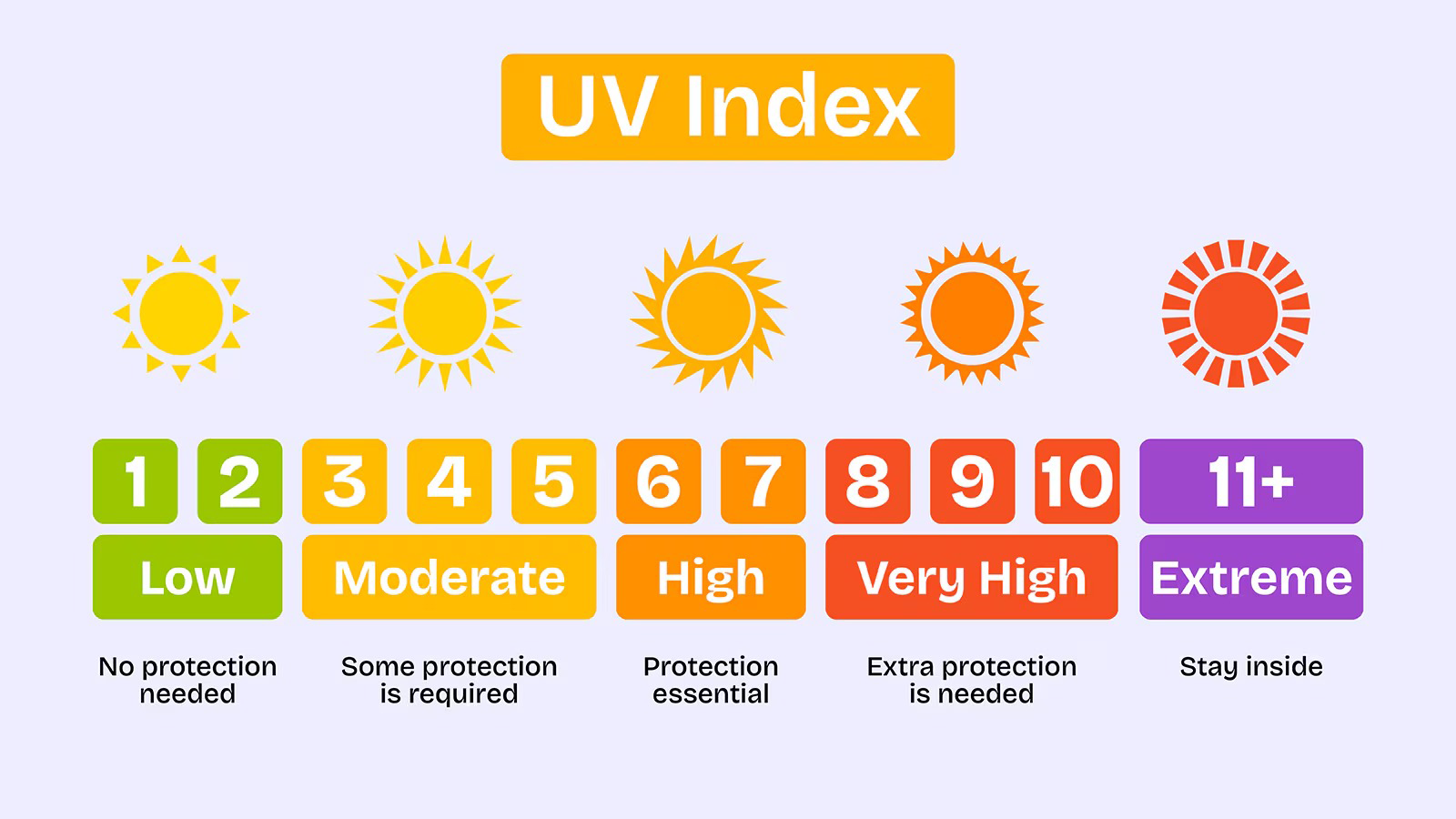
Here's a quick breakdown:
-
0–2: Low risk. Enjoy the outdoors.
-
3–5: Moderate. It’s bright, but manageable—maybe bring a parasol.
-
6–7: High. Burns can happen quickly, especially if you have fair skin.
-
8–10: Very high. Shade is your friend.
-
11+: Extreme. Seriously—avoid direct sunlight.
UV levels can spike for several reasons. You’re more exposed if you’re at a high altitude or near the equator. And even cloudy days don’t offer full protection—UV rays can still cut through the clouds and reflect off snow or water, hitting your skin and eyes.
Why the UV Index Matters for Your Eyes
Sunburn might be top of mind when it comes to UV damage—but your eyes are even more sensitive. There are two main types of UV rays to worry about: UVA and UVB. Both can cause long-term harm to your vision.
We’re not just talking about temporary dryness or squinting. Long-term exposure to UV rays can lead to:
-
Cataracts (cloudy vision)
-
Macular degeneration (central vision loss)
-
Photokeratitis (a sunburn… on your eyeball—yes, it’s as bad as it sounds)
-
Pterygium (a fleshy growth on the white of the eye that can affect vision)
And kids? Their eyes are especially at risk. Children’s eyes can’t filter UV rays as effectively, and they tend to spend more time outdoors, compounding the long-term damage. The American Academy of Ophthalmology warns that UV damage builds over time—even if you don’t notice it right away.
And again, clouds don’t equal safety. Up to 80% of UV rays still pass through clouds.

How to Protect Your Eyes When UV Levels Are High
So, what can you do when the UV index is high? Simple: gear up with proper eye protection.

Start with sunglasses.
Look for lenses labeled “UV400” or “100% UV protection”. That means they block both UVA and UVB rays completely. If they don’t have that label, they’re just tinted plastic.
A few lens types to consider:
-
Polarized lenses: Great for reducing glare, especially off water or roads. Just make sure they also offer UV protection—not all do!
-
Photochromic lenses: These adjust automatically to light—darkening outdoors and clearing indoors. A good pick if you’re in and out all day.
-
Wraparound frames: These provide side protection so UV rays don’t sneak in through the edges.
Top it off with a wide-brimmed hat, and if you can, avoid peak sunlight hours (10 a.m. to 4 p.m.). And yes—check that UV index before heading out.
Choosing the Right Sunglasses for UV Protection
Let’s bust a myth: darker lenses don't always mean better protection. What matters is the UV filter—not the lens color. Even clear lenses can offer 100% protection if they’re made right.
Key things to look for:
-
Label: Must say UV400 or 100% UV protection.
-
Material: Polycarbonate lenses are lightweight, durable, and naturally UV-blocking.
-
Fit: Choose a style that covers your eyes well—oversized or full-rimmed frames work great. If you wear prescription glasses, look into prescription sunglasses too.
Final Thoughts
The UV index isn’t just a weather number—it’s a health alert. When it’s high, your eyes are at greater risk for long-term damage. But the good news? A few small changes—like wearing quality sunglasses, staying in the shade, and keeping an eye on daily UV levels—can make a huge difference.
And don’t wait for summer. UV rays are around year-round.
Looking for reliable eye protection? Explore MANLYKICKS—where style meets smart UV defense. Our sunglasses are made to look good and keep your eyes protected, all year long.